

Creating trust doesn’t work like following a step-by-step assembly guide. There’s no single instruction manual to follow, and you’ll likely end up confused with some unresolved issues along the way. Think of it more like caring for a garden. You can’t simply plant something, demand it to flourish, and expect results by evening. It requires regular attention, proper conditions, and plenty of patience. If you want to know how to build trust in a relationship, then be patience and committed to it.
When you ask yourself about building trust in a relationship, you’re already moving in the right direction by understanding it’s an ongoing journey rather than a final goal. Whether you’re beginning a new romance or working to fix something that’s been damaged, trust acts as the essential bond that prevents everything from crumbling when challenges arise.
The Foundation: Understanding What Trust Really Means
Before exploring the methods, let’s clarify what we’re actually discussing. Trust goes far beyond avoiding infidelity. That’s setting the bar too low. Genuine, meaningful trust means feeling secure that your partner supports you, even when you’re not present. It’s believing their motives are positive, even when they make mistakes.
1. Reliability Builds Everything
When I promise to meet you at 8:00 PM but consistently arrive at 8:30 PM instead, you’ll gradually lose faith in my commitments. This might seem minor, but trust develops through small moments. Each time you follow through on promises and arrive when expected, you’re adding value to an invisible trust account.
2. Complete Openness
Our world is full of passwords and private screens. While personal space is important, keeping secrets can be harmful. To know how to build trust in a relationship involves being completely transparent. If you’re meeting friends, share that information. If a former coworker sends an odd message, discuss it. When you have nothing to conceal, there’s nothing to worry about.
The Core Elements of Trust Building

1. Communication: Beyond Simple Conversation
Everyone knows communication matters, but most people think this just means talking more frequently. True communication requires being vulnerable. It means saying, “When you didn’t respond to my text yesterday, I felt uncertain,” rather than “You ignore me except when it’s convenient.”
- Active Listening: Focus on understanding rather than preparing your response.
- Personal Statements: Express your feelings instead of placing blame.
- Recognition: You can acknowledge your partner’s emotions without necessarily agreeing.
2. Vulnerability: The Essential Component
Intimacy cannot exist without vulnerability. If you constantly protect yourself emotionally, your partner can never truly connect with you. Sharing your worries, mistakes, and imperfect aspects is crucial when considering how to build trust in a relationship. This shows your partner that you trust them enough to be completely genuine.
Personal Experience
I learned how to build trust the night I almost lost someone I loved.
We had argued, not loudly, but painfully. The kind of argument where silence feels heavier than shouting. I had a habit of shutting down when I felt hurt. Instead of saying what was wrong, I would retreat and pretend I was fine. That night, my partner looked at me and said softly, “I can’t fix what you won’t share.”
Something broke open in me.
For the first time, I admitted that I was scared — scared of being “too much,” scared that my feelings would push them away. My voice shook, but I told the truth. And instead of walking away, they reached for my hand. That’s when I understood that trust isn’t about perfection. It’s about courage. Trust is choosing to speak when silence feels safer. It’s letting someone see the parts of you that tremble. From that night on, trust wasn’t something we hoped for — it was something we practiced, every time we chose honesty over fear.
How to build trust in a relationship
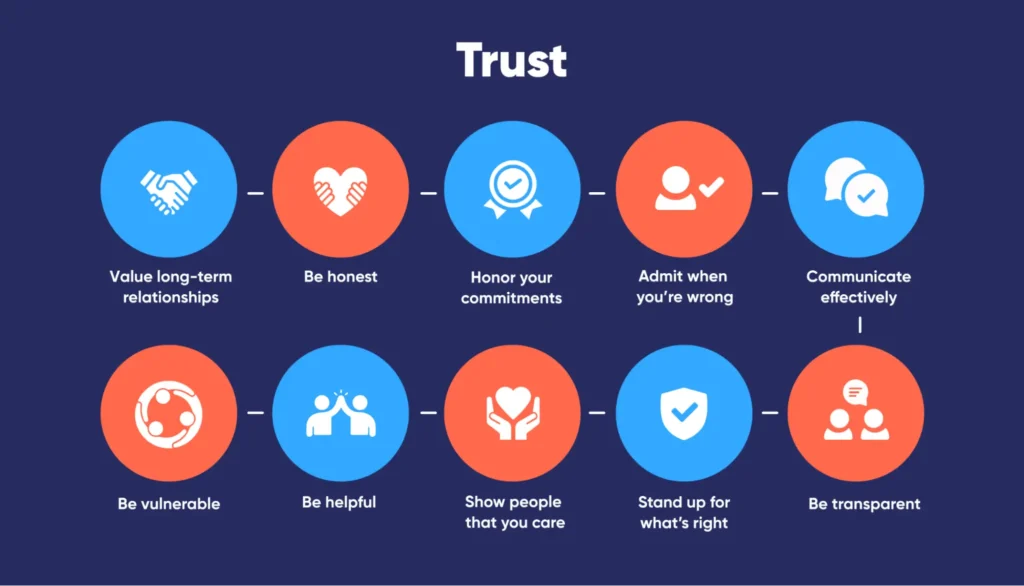
- Say what you feel before it turns into distance.
Unspoken feelings create invisible walls. Honest words — even imperfect ones — keep hearts connected. - Match your words with consistent actions.
Trust grows when promises, even small ones, are kept repeatedly. - Choose transparency over secrecy.
You don’t need to share everything instantly, but hiding things intentionally slowly erodes safety. - Apologize without defending yourself.
A real apology focuses on understanding the hurt caused, not explaining it away. - Create emotional safety.
Make it safe for your partner to express fear, insecurity, or doubt without judgment or mockery. - Handle conflict with respect.
Disagreements don’t break trust — disrespect does. - Be reliable during hard times.
Trust deepens when someone shows up not just when it’s convenient, but when it’s difficult. - Avoid “testing” your partner.
Healthy trust is built through communication, not mind games or silent expectations. - Protect the relationship in public and private.
Speak about your partner with respect, especially when they’re not around. - Grow individually while staying connected.
Two secure individuals build stronger trust than two people constantly seeking reassurance.
Trust isn’t built in one big moment — it’s formed through small, consistent choices made every day.
How to Repair Trust After it’s Been Broken
Let’s face reality: sometimes trust isn’t just absent but completely destroyed. Whether through major deception or repeated small betrayals, repairing it requires sustained effort over time.
- Accept Full Responsibility: Avoid saying “I’m sorry you feel that way.” Simply state “I made a mistake, I was dishonest, and I apologize.”
- Accept the Timeline: You cannot control how long someone else needs to heal.
- Demonstrate Through Behavior: Saying “I’ll do better” repeatedly means nothing without months of consistent actions proving it.
The Importance of Self-Trust
Here’s an unexpected truth: you cannot completely trust another person without trusting yourself first. If you constantly question your own decisions or ignore your instincts, you’ll transfer that uncertainty to your partner. Before you start talking about how to build trust in a relationship, begin with being honest about your personal needs and limits.
Setting Boundaries
Boundaries aren’t barriers to exclude people but guidelines for allowing positive elements into your life. Clearly communicate what you find acceptable and what crosses the line. When both people honor these limits, you create a secure environment where trust can flourish.
Final Thoughts
Ultimately, learning how to build trust in a relationship means making a daily choice to prioritize your partner. Building trust in a relationship involves being someone they can depend on during difficult times and remaining truthful when lying would be simpler. While this isn’t always simple or enjoyable, it’s the only path to creating something lasting. Continue being present, stay honest, and keep choosing vulnerability. The rewards of a high-trust relationship make the effort worthwhile.
Also Read….
FAQs on How to Build Trust in a Relationship
Trust doesn’t follow a schedule. In new relationships, it develops gradually over several months. When repairing damaged trust, reaching normalcy again may take years of steady commitment.
Recovery is possible, but both people must be completely dedicated. The person who betrayed trust must remain transparent and patient, while the hurt partner must eventually choose to release resentment.
Lying about minor things. If you’re dishonest about your lunch or conversation partners, your partner will question what else you might be hiding.
Blind trust that ignores warning signs can be harmful. Healthy trust develops from observing actual behavior and evidence, not just hoping for the best.
Watch how well their words match their actions. If they claim to value honesty but hide their phone, something doesn’t align. Focus on consistent patterns rather than empty promises.